Nose
Rhinoplasty is a nose surgery that corrects its external shape, either for aesthetic reasons or as a result of injury.
More informations

Nose corrections in our portfolio:
- Correction of the soft parts of the nose
- Nose surgery (rhinoplasty)
Process of the operation
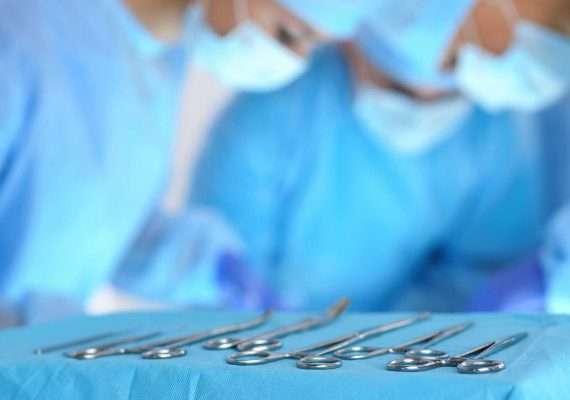
Rhinoplasty is a surgical procedure performed under general anesthesia, lasting approximately 1-2 hours, during which the nasal cartilage and nasal bones are removed from the nasal opening. Depending on the need and prior agreement with the client, the nose is shaped into the desired shape by adjusting the bone skeleton and cartilage. In some cases, it is necessary to use the patient’s own cartilage (from the nose or ear) or reduce the size of the nostrils to create the desired shape. After the nose is adjusted, the nasal mucosa is sutured and a tamponade is inserted into the nose, which presses on the mucosa from the inside to heal and reduce bleeding. At the end, a plaster is placed on the nose and secured with a face plaster. In closed rhinoplasty, the resulting scars are not visible because the incisions are made inside the nasal opening.

Postoperative Regime
The procedure requires one night in the clinic, an escort upon departure, and a six-week postoperative regimen. After the operation, it is necessary to leave a plaster cast on the nose and a tamponade in the nose, and also to take anti-edema medication Aescin 3×2 tbl. The tamponade is removed on the 5th day. Subsequently, internal turnip compresses are recommended 3 times a day to accelerate healing and sea water in a spray to moisturize the mucous membrane. 12 days after the operation, the plaster is removed. The follow-up check is in a month, when we will show you how to perform pressure massages. Since healing after nose surgery is a “long-distance race,” the nose changes its shape even up to a year after the operation. However, you can expect the greatest change after 3-6 months.
Changes after nose correction
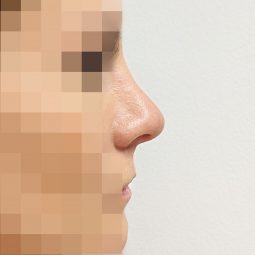
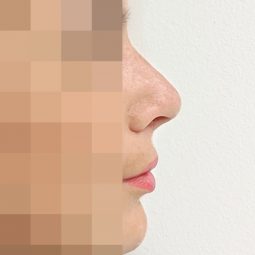
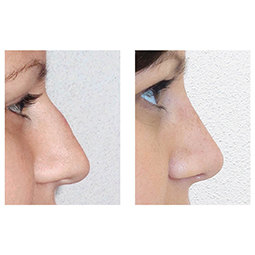
A few examples of our work showing real patients BEFORE and their postoperative results 1 month AFTER the procedure